







One-to-One Specialist Appointment
Feel confident in the care you receive. Our specialists can interpret your scan and provide comprehensive advice if necessary.
£525
How the Injection Helps
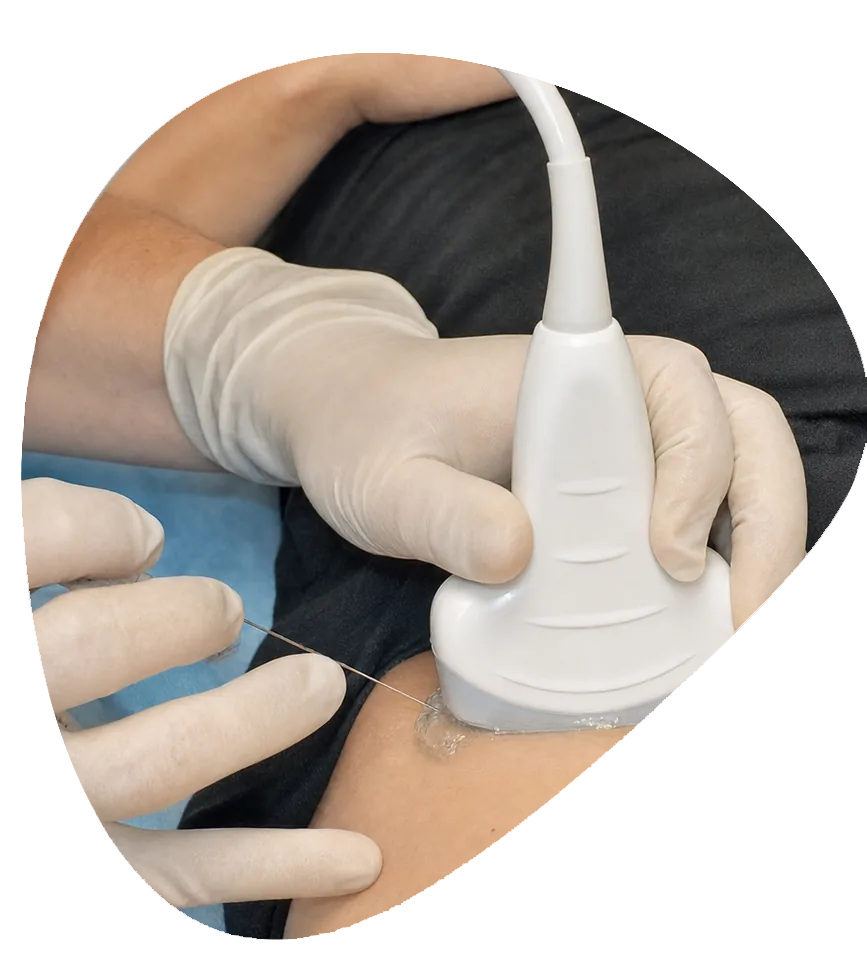
Feel confident in the care you receive. Our specialists can interpret your scan and provide comprehensive advice if necessary.

You do not require a referral before booking an appointment with our clinic, giving you back complete control of your health.

A specialist musculoskeletal doctor, an expert in precision targeting of the affected area using ultrasound guidance, will perform your procedure with a report on the same day.

Following your appointment, a complete digital report of your Ultrasound examination will be emailed to you directly and securely.

In addition to the report, images of your scan will be sent for you to share with a healthcare specialist of your choice.
Trochanteric bursitis is a common cause of pain on the outer side of the hip, over the bony point called the greater trochanter. It involves irritation of the greater trochanteric bursa, a small fluid-filled cushion that reduces friction between the bone and the overlying tendons and muscles.
Doctors increasingly use the broader term, 'greater trochanteric pain syndrome' (GTPS), because in most people the pain is driven not by the bursa alone but also by gluteal tendinopathy, a wear or irritation of the gluteal tendons that attach at the same point. Recognising both is important, because it shapes the right treatment.
It most often affects women aged 40 to 60, runners and walkers, and people with hip osteoarthritis or lower-back problems. Left untreated it can persist for many months, which is why many people seek a precise diagnosis and targeted treatment sooner.
The hallmark symptom is pain on the outer side of the hip that is often worse when you lie on that side at night. Many people find their sleep is the first thing affected. Common features include:
Because lateral hip pain can also come from the hip joint itself, the lower back or the gluteal tendons, an ultrasound assessment is used to confirm the source before any treatment.
At the Harley Street Ultrasound Group, your appointment begins with a diagnostic ultrasound assessment, performed by your specialist consultant doctor. Ultrasound shows the soft tissues in real time and is used to confirm trochanteric bursitis and assess the greater trochanteric bursa and the gluteal tendons together, and, just as importantly, to rule out other causes of lateral hip pain such as hip osteoarthritis or referred pain from the spine, which can feel similar but need different treatment.
Diagnosing the problem accurately first is what makes the treatment precise. Because the same ultrasound is then used to guide the injection, your consultant can place the needle exactly into the target structure, rather than by external approximations.
If the assessment shows that a different treatment would serve you better, your consultant will tell you on the day. See “What if I don’t need an injection?” below.
A trochanteric bursitis injection is an ultrasound-guided injection of a small amount of steroid combined with local anaesthetic, placed directly into the greater trochanteric bursa at the side of the hip. The steroid calms the inflammation that is driving the pain, while the local anaesthetic gives early relief and confirms the right target has been reached.
Because the procedure is performed under real-time ultrasound, your consultant can ensure the injection reaches the exact location and confirm the medication is going precisely to where it is needed. This precision is what makes the treatment both effective and safe, avoiding nearby nerves and blood vessels.
The injection is most effective as part of a wider plan: it settles the pain so you can engage with the load management and exercises that address any underlying gluteal tendinopathy, giving the most durable result without surgery.
Most patients find the injection far more comfortable than expected. Local anaesthetic is used, so you typically feel a small sting as it goes in, followed by a brief sensation of pressure at the side of the hip. This is normal and settles quickly.
The appointment usually takes around 20–30 minutes from assessment to completion:
There is no general anaesthetic and no overnight stay. You can usually drive yourself home, though arranging a lift is sensible if your hip feels sore afterwards.
Your injection is performed by a consultant specialist doctor, not a physiotherapist, nurse or GP. This matters, as the majority of MSK injections in the UK are delivered by non-consultant practitioners, often without ultrasound image guidance.
At the Harley Street Ultrasound Group, you receive both the clinical judgement of a senior specialist and the precision of real-time ultrasound examination in a single appointment. Your consultant assesses the hip, confirms the source of pain, performs the procedure and explains your aftercare personally.
We will never give you an injection you do not need. If, after your ultrasound assessment, your consultant decides an injection is not the right treatment for you, the procedure simply won’t go ahead. You will be charged at our standard diagnostic ultrasound rate, not the full treatment price.
This is a deliberate commitment to clinical integrity. Some providers treat every appointment as a guaranteed procedure; we don’t. You can book knowing that you will receive a genuine specialist assessment first, and that treatment only proceeds when a senior clinician believes it is genuinely warranted.
If an injection isn’t appropriate, your consultant will explain why and set out the alternatives. This may include physiotherapy, a different injection, such as PRP, or onward referral, meaning you still leave with a clear plan.
Many patients notice improved comfort within a few days to two weeks, as the anaesthetic wears off and the steroid takes effect on the inflamed bursa. The full benefit typically builds over the following weeks, especially when combined with the right exercises and load management.
A trochanteric bursitis injection has a good success rate for reducing lateral hip pain, and for many people it brings substantial relief, often enough to restore comfortable sleep and walking. How long it lasts varies, where there is underlying gluteal tendinopathy, the most durable results come from combining the injection with a structured rehabilitation programme. Some patients benefit from a repeat injection. Your consultant will give you a realistic picture based on your own assessment.
There is no significant downtime. You can return to everyday activities the same day, though it is sensible to avoid heavy or repetitive hip loading, long walks, stairs and running, for 24–48 hours. Some mild soreness at the side of the hip for a day or two is normal.
The most important part of aftercare is load management and targeted exercise: avoiding positions that compress the tendons (such as crossing the legs or standing “hanging” on one hip) and gradually strengthening the gluteal muscles. Many patients benefit from a short course of physiotherapy alongside the injection, which addresses the underlying tendinopathy and reduces the chance of recurrence.
You will receive clear written aftercare guidance, and our team remains available if you have any questions as you recover.
Both have a role, and the best answer depends on your assessment. Physiotherapy and load management address the underlying gluteal tendinopathy and are central to a lasting recovery, but progress can be slow if the bursa is acutely inflamed and the pain is stopping you sleeping or exercising.
In that situation, a trochanteric bursitis injection is often the most effective first step: it settles the pain quickly so you can then engage properly with the exercises that fix the root cause. For many patients the two work best together; the injection for rapid relief, and rehabilitation for durability.
Because your consultant assesses the bursa and the tendons on ultrasound, they can advise which approach, or combination is right for you. You can read more in our dedicated guide to choosing between injection and physiotherapy for hip bursitis.
An ultrasound-guided trochanteric bursitis injection at The Harley Street Ultrasound Group is £525, all fees inclusive. There are no extra charges for the consultant assessment, the diagnostic ultrasound, the procedure itself, or your written report.
What’s included in the price:
Importantly, if your consultant assesses you and decides an injection is not clinically appropriate, you are charged only at our standard diagnostic ultrasound rate, not the procedure price. We accept self-pay and most major UK private health insurers; please confirm cover with your insurer before booking.
Coming to us privately does not affect your NHS care. Our goal is to get you answers and treatment quickly, without the long waits often involved in accessing injection therapy on the NHS.
You are seen by a consultant specialist who can assess, diagnose and, where appropriate, treat your trochanteric bursitis in a single visit. Your report and images can be shared securely with your NHS GP or any specialist, and if your situation needs onward NHS care your consultant will write to your GP accordingly.
We don’t want you waiting months in pain when effective treatment is available now.
Our team are fully registered and regulated for practice in the United Kingdom. Our patients should expect nothing less.







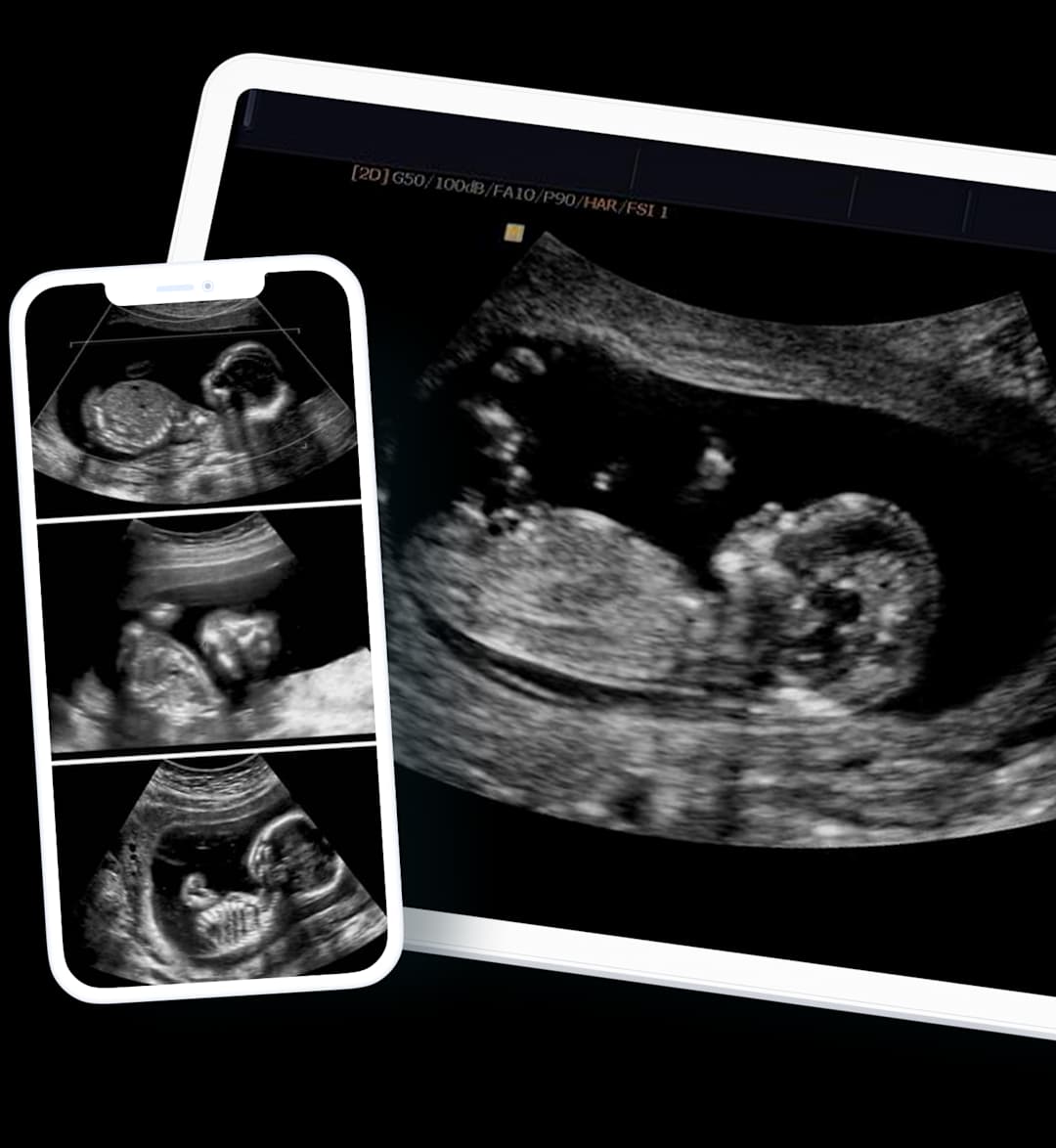
We can provide scan images directly to your smartphone, often on the same day following your appointment. Gain the peace of mind and insight you need, without delay.
Same-Day Results
Timely & Efficient
Share with your Doctor
We provide insight on a range of topics, including the latest news affecting our practice.

Dr Tahir Hussein · May 2, 2023
Testicular ultrasounds are a safe and non-invasive way for doctors to assess and diagnose abnormalities in the testicles. If you’re anxious about the procedure, don’t worry—it’s natural to feel that way.

Heba Alkutbi · February 8, 2024
Pregnancy is a journey filled with moments of joy and anticipation, and the anomaly scan—or anatomy scan—is a significant and exciting milestone. This article will guide you through what an anomaly scan is, what to expect during the procedure, the findings you might encounter, and how to interpret the results.

Heba Alkutbi · April 23, 2023
A commonly used test is the Non-Invasive Prenatal Test (NIPT), also known as the Prenatal Test. The test is designed to screen the foetus for genetic conditions and chromosomal abnormalities.

The team at Harley Street Ultrasound Group is made up of Specialist Consultants and Specialist Sonographers you can rely upon. They are among the best in the industry.
This is backed up with a full range of qualifications and accreditations. All of our specialists are fully registered with all applicable medical regulatory bodies.





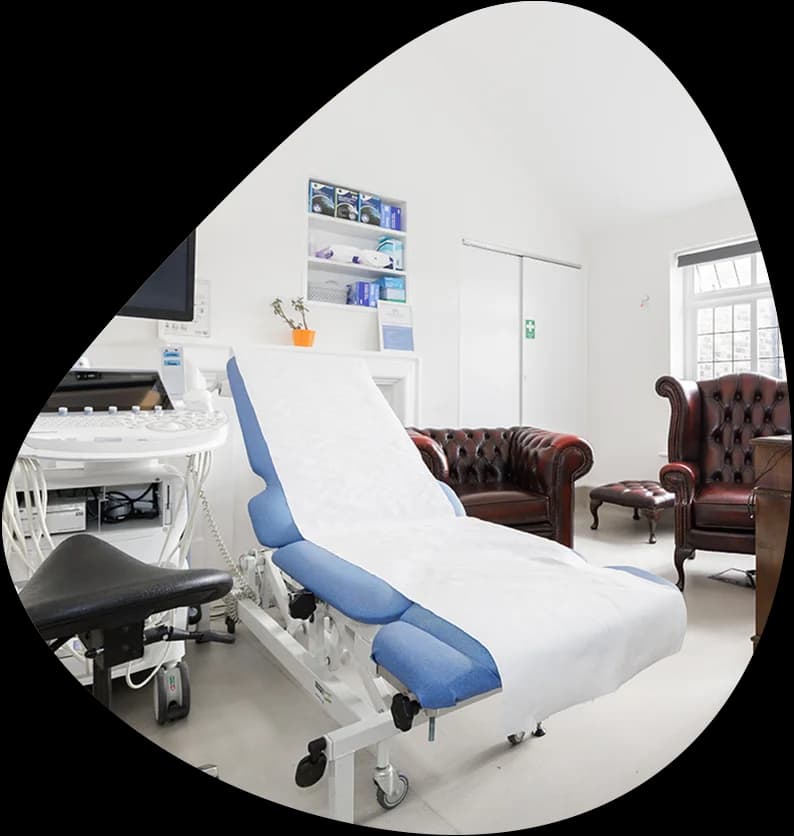
We are committed to providing a high standard of care to our patients. Take a look at some of the incredible responses we have received.